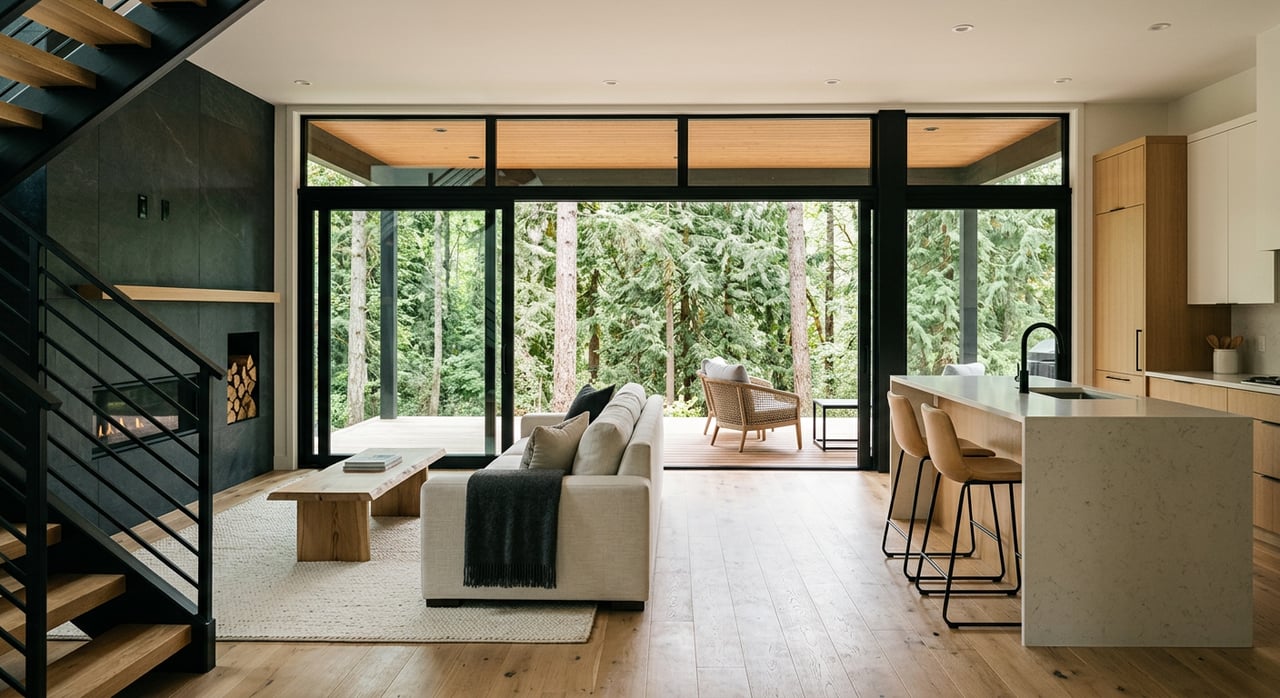
Picture this: you leave Seattle after lunch and roll into the Cascades before dinner, keys in hand to your own mountain retreat. If you are eyeing Suncadia for a second home, you probably want year-round fun without year-round hassles. You also want clear numbers, rules, and risks before you buy. This guide breaks down the property types, true costs, rental rules, market signals, and a step-by-step due diligence checklist so you can purchase with confidence. Let’s dive in.
Suncadia at a glance
Suncadia is a master-planned, four-season resort community in Cle Elum with golf, a spa, restaurants, and 40-plus miles of trails. The resort highlights its location as about 80 to 90 minutes from Seattle, depending on I-90 conditions and the season. That easy access attracts Puget Sound buyers who want a quick getaway without a long drive. Learn more about the resort’s amenities and setting on the official Suncadia site at Suncadia.com.
Choose your home type
Condos: low-maintenance living
Suncadia-area condominiums, including Trailhead, aim for easy ownership. You get shared amenities and on-site maintenance, which is ideal if you plan to visit seasonally or on weekends. HOA dues vary a lot by building and unit size. Recent listings show examples around the mid-$400s per month on the low end and into the $1,500 to $2,000-plus range for larger, amenity-heavy units. One Trailhead example illustrates the spread and typical inclusions like water, sewer, trash, and common-area upkeep. See a representative listing’s dues and inclusions for context on this condo example.
Single-family and townhomes
Across Suncadia’s neighborhoods, you will find everything from cozy cabins to luxury mountain homes, plus townhome-style options. Newer collections and walkable village housing add to the mix and may shift supply and demand over time. Carrying costs differ by neighborhood and product type, so confirm whether you are in a condo association, a homeowners association, or a planned resort sub-association with additional dues.
Tumble Creek: private club living
If you want a quieter, private setting, explore Tumble Creek. It is a separate, gated community with a private golf club experience and different membership rules than the public-facing Suncadia resort. Many buyers choose Tumble Creek when they prefer limited or no short-term rentals in their neighborhood. Read more about club and community details at Tumble Creek Club.
What it costs to own
HOA and resort fees
Budget carefully for association dues. Condos usually have higher monthly fees that cover shared systems, snow removal, building insurance for common areas, and amenities. Single-family homes in resort neighborhoods may have lower dues but more individual upkeep. Always ask for the current budget, reserve study, and a line-item list of what dues cover.
Before you finalize numbers, confirm:
- What utilities the HOA pays vs. what you pay directly
- Snow removal responsibility for streets and your driveway
- Cable/internet, security, and maintenance contracts
- Reserve funding levels and any planned special assessments
- Resort access or club privileges that may require separate memberships
Property taxes
Property taxes in Suncadia are administered by Kittitas County and depend on assessed value and local levies. Values can change with assessments and improvements, so plan for periodic reassessments. If you have questions about how your assessment was determined or how the appeals process works, contact the county’s Board of Equalization. You can review procedures on the Kittitas County BOE page.
Insurance and wildfire risk
Eastern Washington mountain communities are seeing more scrutiny from insurers because of wildfire exposure and rising catastrophe losses. Premiums and underwriting conditions have been changing, and in some high-risk areas carriers may tighten terms or non-renew. Get quotes from multiple carriers early and ask about vacancy clauses, winterization requirements, and credits for defensible space. For broader context on pricing and availability trends, see this Insurance Journal coverage.
Utilities and services
Many core Suncadia areas use centralized water and wastewater systems, which helps reduce the variability you see with private septic systems in rural markets. Still, verify each property’s setup in your purchase documents and title review. If a home is on resort systems, request the maintenance agreements and recent capacity or assessment history. You can read about the resort’s wastewater infrastructure investments from a utility provider case summary here.
Winter readiness
Cle Elum winters bring snow and freeze-thaw cycles. Budget for heat tape, roof and deck snow-load monitoring, and seasonal service calls. Confirm who plows the neighborhood roads and whether your driveway is included or needs a private contract. If you plan to leave the home vacant for stretches, set a simple winterization checklist and consider a local caretaker.
Planning to rent your home
Resort-managed vs. owner-managed rentals
Suncadia operates its own rental management and reservations program with specific rules, fees, and guest access privileges. If you opt in, you will agree to terms that cover commissions, cleaning, cancellation policy, and owner blackout dates. Review these carefully and compare them to third-party management or owner-direct models. You can see the resort’s guest rules and fee framework in the Suncadia vacation rental rules.
City rules and permits
Inside Cle Elum city limits, short-term rentals have permit requirements, local contact rules, parking standards, and spacing limits in residential zones. A key item is spacing between licensed STRs, which can affect eligibility. Before you assume any income, confirm the current ordinance and application process in the Cle Elum municipal code.
HOA and neighborhood limits
Your HOA or CC&Rs may limit or prohibit short-term rentals. Private communities, including Tumble Creek, often emphasize member use and can restrict renting. Always review the recorded documents and any resort overlay rules to understand what is allowed and how it is enforced.
Lodging taxes
Short-term stays in Washington usually trigger state and local lodging or occupancy taxes. Exact rates and remittance rules depend on the property’s jurisdiction and who manages bookings. If you use the resort program or a platform, ask who collects and remits taxes on your behalf. For an overview of how lodging taxes work in Washington, see this MRSC lodging tax guide.
Revenue expectations
Income potential varies with home type, bedroom count, season, marketing, and management costs. Data services and local managers can provide occupancy and rate histories to help you model outcomes. Build a conservative pro forma and include platform fees, cleaning, reserves for wear and tear, and lodging taxes. Do not rely on a back-of-the-envelope estimate.
Market and resale signals
Suncadia’s appeal stems from its easy access from Seattle, year-round recreation, and resort services. That mix draws second-home buyers and remote professionals, which can support demand through cycles. Local medians and inventory in the Cle Elum area move quickly and vary by whether you look at closed or active listings. For a current snapshot, check a regional data feed like the Rocket Homes Cle Elum market report, and remember these medians change month to month.
One notable local factor is municipal finance. In June 2025, the City of Cle Elum filed for Chapter 9 bankruptcy related to a legal judgment. This is relevant for permitting timelines, services, and potential future fees or tax adjustments. Stay informed by following reliable reporting like the Seattle Times coverage.
Your buyer due diligence checklist
Use this list to move from “interested” to “in escrow” with fewer surprises:
- HOA and CC&Rs: Request the full HOA budget, reserve study, meeting minutes, and any pending or recent special assessments. Confirm rental policies, guest rules, parking, animal and wildlife guidance, and access to resort amenities.
- Rental legality: If renting is part of your plan, verify city STR permits and spacing rules, plus HOA or neighborhood restrictions. Confirm whether the resort requires or limits third-party management.
- Insurance and wildfire: Get multiple quotes with written terms on vacancy and winterization. Ask about defensible-space credits and any required mitigation work.
- Utilities and infrastructure: Confirm whether the home is on resort water and sewer or a private well and septic. If private systems, schedule well testing and septic inspection or perc where applicable. If on resort systems, request maintenance and capacity records.
- Access and winter operations: Clarify snow removal responsibilities and whether year-round access is standard for passenger vehicles. Identify steep driveways that may need extra service.
- Taxes and assessments: Review recent property tax history and understand the appeals timeline. Track any municipal finance updates that could affect service levels or local fees.
- Title and encumbrances: Review easements, use restrictions, and any club membership obligations that run with the land.
- Rental pro forma: If you will depend on income, ask a local STR manager for a property-specific pro forma and historical reports. Clarify who collects and remits lodging taxes.
How Nest NW Group helps
Buying a resort home should feel exciting, not overwhelming. As an Eastside-based team that also serves second-home buyers, we bring a clear process, market context, and a vetted network of specialists. We help you compare neighborhoods and product types, pressure-test HOA budgets and rental rules, coordinate inspections tailored to mountain homes, and negotiate with confidence. Our operations-backed approach keeps the details on track so you can focus on how you want to use the home.
If Suncadia is on your shortlist, let’s talk through timing, budget, and usage goals. We will map your costs, gather the right documents, and set a clean path from offer to keys. Start a conversation with Nest NW Group today.
FAQs
What is Suncadia and how far is it from Seattle?
- Suncadia is a year-round resort community in Cle Elum with golf, trails, and amenities, positioned about 80 to 90 minutes from Seattle depending on I-90 and seasonal conditions.
Are short-term rentals allowed in Suncadia and Cle Elum?
- It depends on your neighborhood’s CC&Rs and city rules; Suncadia has a resort rental program with its own terms, and Cle Elum requires STR permits with spacing and operating standards.
What are typical condo HOA dues in Suncadia?
- Dues vary widely by building and unit size; recent examples show roughly mid-$400s per month on the low end up to $1,500 to $2,000-plus for larger, amenity-rich units.
How does wildfire risk affect insurance in Cle Elum?
- Insurers scrutinize wildfire exposure, which can mean higher premiums, stricter terms, or mitigation requirements; get multiple quotes early and confirm vacancy and winterization conditions.
What should I verify before counting on rental income?
- Confirm city STR permit eligibility, HOA and CC&R rental rules, resort program terms, who remits lodging taxes, and obtain a property-specific pro forma with historical occupancy and rates.