Dreaming about waking up to Lake Washington views in Kirkland? You are not alone, but buying a waterfront home here is very different from buying a typical Eastside property. Between limited inventory, premium pricing, shoreline rules, and property-specific features like docks or drainage, the details matter. This guide will help you understand what to watch for so you can move forward with more clarity and confidence. Let’s dive in.
Why Kirkland waterfront stands out
Kirkland waterfront is a small, high-demand segment of the market. According to the 2025 waterfront report, Kirkland had just 23 closed waterfront sales in 2024, with a median sale price of $6.3 million and an average of 63 days on market. That is a very different picture from the broader Kirkland market, where Redfin reports a $1.295 million median sale price and homes going pending in about 18 days as of February 2026.
This gap matters because it shows that waterfront homes operate in their own lane. You are often looking at a niche market with fewer choices, more property-by-property variation, and a larger financial commitment. In practice, that means your search, offer strategy, and due diligence all need to be more tailored.
What types of waterfront homes you will find
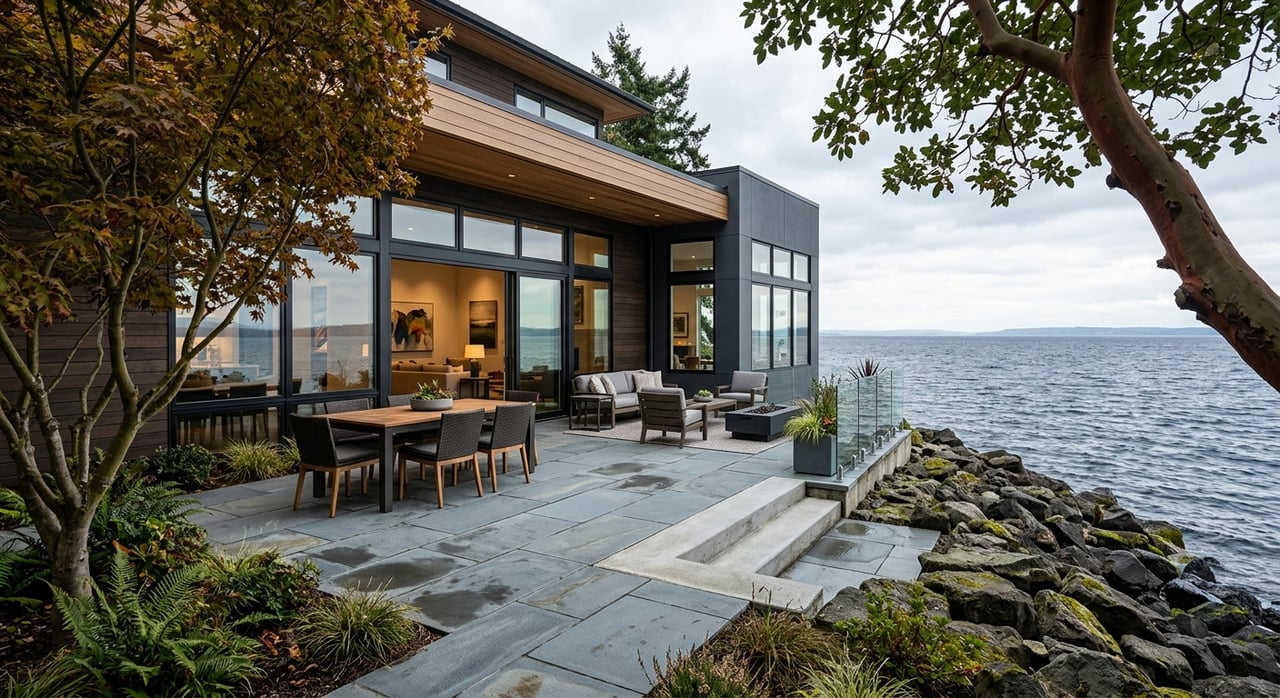
In Kirkland, waterfront does not always mean the same thing. You may come across detached lakefront homes, attached or condo-style properties with waterfront positioning, or homes with shared shoreline access and views rather than direct private frontage. The current Kirkland waterfront listing mix on Zillow shows that range clearly, from smaller attached units to estate-level homes.
That variety helps explain why prices can vary so much. A home’s value may be shaped by shoreline length, view orientation, dock access, lot configuration, and whether the property is a detached residence or an attached unit. When supply is thin, those differences can have an outsized effect on both price and buyer demand.
Where waterfront living clusters in Kirkland
A few city waterfront areas can help you understand how Kirkland’s shoreline lifestyle is organized. The city’s park directory highlights landmarks like Marina Park and David E. Brink Park in Moss Bay, Doris Cooper Houghton Beach Park in Lakeview, and Juanita Beach Park in Juanita.
These public spaces are useful reference points during your search because they reflect where buyers often find lake-adjacent housing, shoreline amenities, and access to the water. They also help you think beyond the home itself and consider how you want to use the area day to day.
For example, Marina Park is in downtown Kirkland and includes a public boat launch and dock. The city says Marina Park Dock and 2nd Avenue South Dock provide 82 uncovered moorage slips year-round, but that public moorage is transient only, not long-term. Juanita Beach Park offers 1,000 feet of Lake Washington shoreline, a seasonal swimming area, and a dock-enclosed swim beach.
Do not assume a dock comes with the home
One of the biggest waterfront misconceptions is that every property includes private dock access. In Kirkland, dock and moorage rights are highly property-specific. A home may have a private dock, a shared arrangement, no dock at all, or an older structure that raises questions about legal status, condition, or future replacement.
That is why it is smart to verify the history early. Kirkland’s code states that only one pier or dock may be located on a subject property, which makes it especially important to confirm what exists today and whether it is legal and permitted. If boating access is a priority for you, this should be part of your early screening process, not a question left for the end.
Shoreline rules can affect future plans
If you are thinking, “We can always update the deck later” or “We may add shoreline improvements after closing,” pause there. Kirkland’s Shoreline Master Program applies to land within 200 feet of Lake Washington’s ordinary high water mark, along with certain connected wetlands. That means many waterfront or near-water properties are subject to added review.
For buyers, the takeaway is simple: shoreline work is not routine remodeling. The city says even exempt projects must be reviewed, while more substantial changes may require a shoreline substantial development permit, conditional use permit, or variance. The city also requires a pre-submittal meeting for public-process shoreline permits and notes that soft shoreline stabilization is preferred where feasible.
If your long-term plan includes expanding outdoor living areas, replacing a bulkhead, adjusting grading, or changing a dock, make sure you understand the approval path before you buy. A home that looks flexible on paper may have tighter constraints than expected.
Look closely at flood and drainage risk
Waterfront due diligence is not just about the view. It is also about how water moves across and around the property during storms, seasonal changes, and heavy runoff. Even if a home is not obviously in a floodplain, drainage and flood-related risks still deserve careful review.
The City of Kirkland’s flood guidance notes that homeowners policies do not cover flooding and advises residents to consider flood insurance. The city also explains that stormwater runoff in Kirkland flows to the nearest creek, wetland, or Lake Washington. The CFPB similarly recommends checking disaster risk, asking about prior flooding or damage, and getting an informal insurance estimate before you commit.
In practical terms, you will want to ask targeted questions about past water intrusion, drainage improvements, erosion, and insurance costs. On a high-value home, even a manageable risk can affect your budget and peace of mind.
Budget beyond the purchase price
A waterfront purchase can stretch your budget in ways that are easy to underestimate. The list price is just one part of the financial picture. Closing costs, insurance, taxes, utilities, maintenance, possible HOA dues, and specialized repairs all deserve attention.
The CFPB says closing costs typically run 2% to 5% of the purchase price, and it notes that ownership costs may also include taxes, insurance, HOA dues, maintenance, utilities, and flood insurance where relevant. On a multimillion-dollar Kirkland waterfront home, that can translate into very large dollar amounts. Strong cash reserves can matter just as much as your offer price.
Prepare your financing early
Because waterfront inventory is limited, you may need to move quickly when the right property hits the market. That starts with financing preparation. The CFPB says sellers frequently require a preapproval letter, and the letter helps show that you are likely able to get financing.
The CFPB also notes that preapproval letters usually expire in 30 to 60 days. If you are shopping in a niche segment where opportunities can come and go unevenly, keeping your financing current is important. It helps you stay ready without scrambling when the right home appears.
Build protection into your offer
In a competitive market, speed matters, but so does protection. The CFPB recommends making the purchase contract contingent on financing and a satisfactory inspection. For waterfront homes, that baseline is especially important because the stakes around shoreline conditions, drainage, dock structures, and future improvement limits can be higher.
You may also benefit from researching closing-service providers early, including title insurance and settlement services, as the CFPB suggests. When a purchase involves a unique property and a large price point, preparation helps you move efficiently without skipping critical steps.
Why local experience matters more here
Waterfront purchases tend to be detail-heavy. Each home can come with its own combination of shoreline conditions, access questions, permit history, and pricing logic. That is why highly local guidance can make a real difference.
The CFPB recommends working with an agent who has strong experience in your preferred neighborhood, price range, and home type. In Kirkland, where waterfront supply is scarce and the broader market remains competitive, that kind of support can help you evaluate tradeoffs, move decisively, and avoid preventable surprises.
If you are considering a waterfront purchase in Kirkland, having a team that understands Eastside market dynamics, coordinates the process clearly, and helps you pressure-test the details can make the experience much smoother. If you want tailored guidance on your search, offer strategy, or due diligence plan, connect with Nest NW Group.
FAQs
What makes Kirkland waterfront homes different from other Kirkland homes?
- Kirkland waterfront homes are part of a small, premium market with far fewer sales, higher prices, and more property-specific factors like shoreline frontage, dock access, and permit history.
Do all Kirkland waterfront homes include private docks or moorage?
- No. Dock and moorage rights are property-specific, and Kirkland’s public moorage at Marina Park is transient only, not long-term.
Can you remodel or change shoreline features on a Kirkland waterfront property?
- Sometimes, but changes near the shoreline may require city review or permits under Kirkland’s Shoreline Master Program.
Should flood insurance be considered for a Kirkland waterfront home purchase?
- Yes, it is worth reviewing because homeowners insurance does not cover flooding, and both the city and CFPB recommend evaluating flood risk and insurance costs before you commit.
Why do Kirkland waterfront home prices vary so widely?
- Prices can vary based on property type, shoreline length, view quality, dock rights, and whether the home is an attached unit or a detached estate-style property.