Pricing a luxury home in Seattle is not about guessing high and waiting. It is about precision. You want a price that honors your home’s uniqueness, attracts the right buyers, and protects your time. In this guide, you will learn how a tailored, data-backed approach sets your listing up for success, from micro-comps and view premiums to price-band strategy and timing. Let’s dive in.
What “luxury” means in Seattle
In Seattle and King County, “luxury” is relative to each neighborhood’s market. You are typically talking about the top decile to top quartile of prices for single-family homes and high-end condos. The threshold shifts between micro-markets like Queen Anne, Madison Park, Laurelhurst, West Seattle waterfront, and Eastside enclaves such as Medina, Clyde Hill, Hunts Point, Mercer Island, West Bellevue, and Kirkland waterfront.
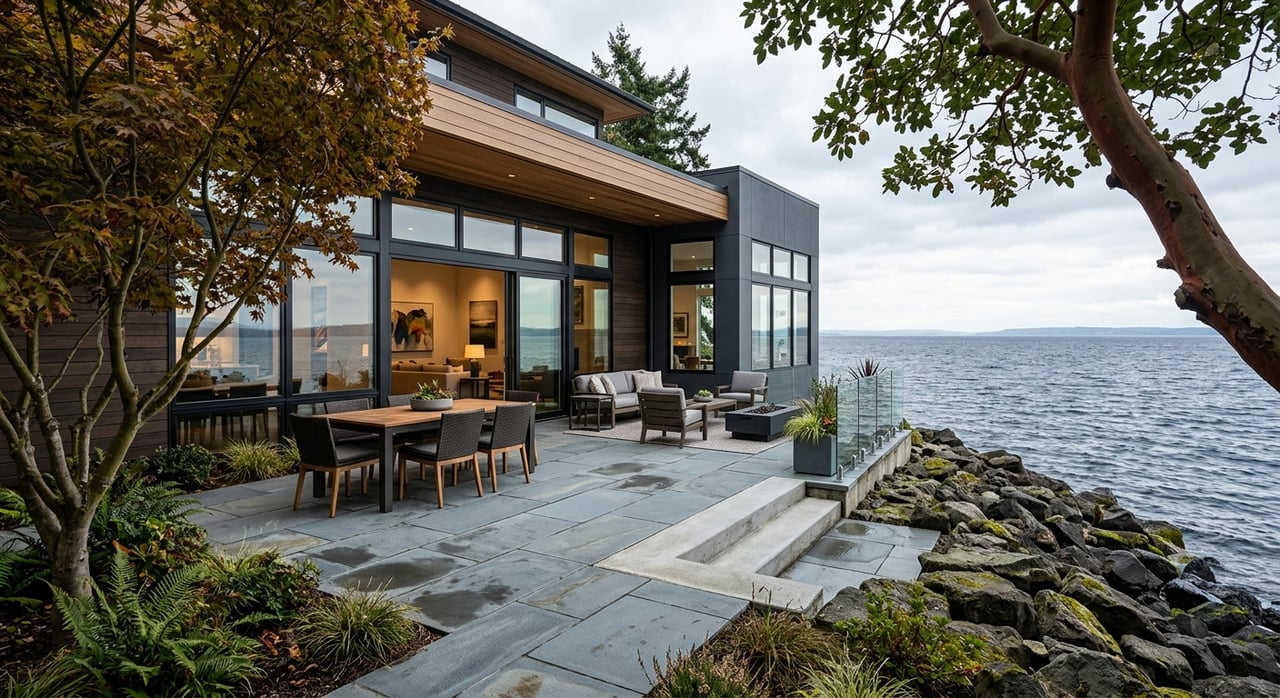
Luxury buyers pay for scarcity. Features that move value include unobstructed water or mountain views, architect-designed homes, estate-scale lots, private docks, multiple primary suites, and top-tier finishes and systems. Your list price should reflect how rare these attributes are in your specific micro-market.
How we build your micro-comp set
Choosing the right comparables for a luxury home takes a narrow lens and transparent adjustments. We prioritize quality of comps over quantity.
Start with micro-market location
We first define your micro-market by street, view corridor, and neighborhood dynamics. A north-facing Elliott Bay view is not the same as an east-facing Cascade view. Even within the same neighborhood, orientation and elevation change value.
Match product type and design
We compare like with like: estate homes with estate homes, architect-designed moderns with similar design-forward properties, and luxury condos by floor level and floor plan. Highly unique design can carry a premium for some buyers and a discount for others.
Account for views and elevation
Views are often the largest value driver at the high end. We distinguish panoramic and unobstructed views from partial or seasonal views and quantify differences using nearby sales with similar viewpoint and elevation.
Compare lot and outdoor living
Usable flat yard, waterfront and dock access, roof decks, terraces, and privacy all affect price. For tight city lots, well-designed outdoor spaces or protected view easements can be strong substitutes for yard size.
Size and layout matter
We weigh square footage along with function. Multiple primary suites, ceiling height, and open-plan design can change how buyers perceive space. Bedroom-bath counts and circulation also influence value.
Condition and systems
We separate cosmetic updates from substantive upgrades such as roof, seismic work, windows, major mechanicals, and permitted structural changes. Permits and documentation increase buyer confidence and appraiser recognition.
Sale date and trend
Luxury markets turn over more slowly, so we often need a 12 to 24 month look-back. If the market moved, we apply time adjustments based on the most relevant local indicators. Older but highly similar comps remain useful with clear, documented adjustments.
Verify terms and weight wisely
We prefer arms-length closed sales and treat off-market transactions with care. After screening 3 to 7 strong comparables, we weight each by similarity and recency. The goal is a tight value range and a clear recommended list price.
Quantifying the right adjustments
Adjustments translate comp prices into value indicators for your home. We document every assumption and the local evidence behind it.
Views and orientation
Views carry different premiums by neighborhood. We categorize them as panoramic/unobstructed, primary partial, secondary partial, or obstructed. Full Puget Sound or waterfront outlooks usually command the largest premium, while blocked or seasonal views require reductions. We support each adjustment with local high-end sales rather than generic percentages.
Architecture and provenance
Architect-designed or historically significant homes can earn a premium with design-focused buyers. If a layout is highly idiosyncratic, some buyers may discount it. We document the architect, year built, and any awards or publication history when reconciling value.
Renovations and permits
Major improvements to systems tend to earn more consistent value recognition than surface updates. We treat recent, well-documented upgrades using dollar adjustments with depreciation where appropriate, and we use percent adjustments for finish-level differences. If you are considering pre-list work, we will assess ROI at the luxury level and recommend items that actually move the needle.
Lot, landscaping, and amenities
Waterfront access, private docks, usable flat yard, mature landscaping, and outdoor kitchens or pools can materially shift value. In urban settings, roof decks and terraces that capture views can substitute. We compare usable outdoor square footage and function to make fair adjustments.
HOA fees and rules for condos
Monthly dues and rules affect buyer utility and carrying costs. We compare buildings with similar amenities and fees and consider the long-hold impact when reconciling value.
Condition and deferred items
We estimate remediation costs for deferred maintenance, environmental concerns, or near end-of-life systems. Local contractor opinions help refine costs and timelines, which flow into the adjustment model.
Pricing psychology in Seattle’s high end
Luxury pricing is part math, part positioning. The strategy should meet your goals for timing, privacy, and net.
Price bands and buyer search behavior
Most buyers search within price thresholds like $1,000,000, $1,500,000, or $2,000,000. Listing just below a band can expand visibility in search results. Rounded, even prices can also signal confidence and prestige. We will show you how a just-below price versus a rounded number changes exposure and perception.
Market-entry strategies
You can enter at a competitive price to spark activity and potential bidding. A market-range price invites qualified showings while signaling firm value. Aspirational pricing can test the market if you have time and understand the lower likelihood of full-price offers. We will map the trade-offs and recommend a plan that fits your priorities.
Timing your launch
Spring and early summer are often more active in Seattle. We align launch timing with expected buyer traffic unless your personal timeline suggests otherwise. Pre-list marketing, staging, and content should be ready well before day one to justify premium positioning.
Managing reductions and perception
Multiple small reductions can undermine buyer confidence. If the market signals resistance, a single, well-supported adjustment is usually better than a series of minor cuts. Enhancing marketing at the same time can reframe the offering and rebuild momentum.
Negotiation and offer handling
Before launch, we establish a pricing playbook that includes acceptable terms, preferred contingencies, and your target net proceeds. When offers arrive, we weigh price and terms together and negotiate toward your best total outcome.
A quick example: reconciling a price range
Imagine a modern view home on Queen Anne with a reliable Puget Sound outlook, recent permitted systems upgrades, and a well-executed roof deck. We select 5 comparables: two nearby sales with panoramic views and similar design pedigree, one slightly older sale with partial view, and two active listings that bracket the current market.
- We adjust the panoramic-view sales down for superior view and larger lots.
- We adjust the partial-view comp up for inferior outlook and smaller outdoor space.
- We make modest positive adjustments for your recent permitted systems work and neutral out minor finish differences.
- We apply a time trend to the older sale to reflect current conditions.
After weighting by similarity and recency, we reconcile a tight value range. If the range straddles a major threshold, we will present options: list just below the band to maximize search exposure or use a rounded number to signal prestige. The recommendation depends on your timing, privacy needs, and appetite for negotiation.
What to expect in a bespoke pricing consult
You should leave your consult with clarity and a plan. We provide:
- Local market snapshot with recent closes, pendings, and actives in your micro-market, plus days-on-market and price trend context.
- A curated set of 3 to 7 micro-comps with photos, differences, and clear adjustments.
- A reconciled value range and a recommended list price with risk and reward explained.
- A net-proceeds estimate that includes Washington real estate excise tax and King County closing fees.
- A marketing and timing plan with staging guidance, visual assets, and outreach to likely buyer pools.
- Price-per-square-foot context and how your home’s view, lot, and amenities shift that metric locally.
What to bring to your pricing meeting
Arriving prepared helps us produce a sharper valuation and faster launch.
- Recent improvements list, with dates, permits, and warranties where available.
- Any contractor bids for planned work and your timeline.
- Permit history or permit numbers for substantive renovations.
- Utility averages, HOA statements and rules if applicable.
- Title information, surveys, shoreline or dock documentation if applicable.
- A short list of what you love about the home and what drew you to it. This helps shape our marketing story.
Net proceeds and closing considerations
Your pricing plan should connect to your net, not just your list number. We model scenarios across the recommended range and include real estate excise tax, county recording costs, commissions, and any outstanding liens. You will see how price, terms, and timing interact so you can move forward with confidence.
Ready to talk pricing?
Luxury pricing rewards precision and a thoughtful launch. If you are ready to explore a bespoke strategy for your Seattle or Eastside home, we would love to help you map the path. Connect with the team at Nest NW Group to start your custom analysis and get your instant home valuation.
FAQs
How is pricing different for luxury homes in Seattle?
- Lower turnover and more unique properties mean longer look-back windows, more qualitative adjustments for views and design, and targeted outreach to the right buyer pools.
How much does a view add to a Seattle luxury home?
- It depends on neighborhood, view type, and reliability. We derive the premium from recent local sales with similar view corridors rather than using generic percentages.
Should I renovate before listing a luxury property in Seattle?
- Focus on items that move value or reduce friction. Major systems and permitted fixes usually help. Cosmetic refresh and staging often deliver strong impact. We will prioritize by expected ROI and timeline.
How long do Seattle luxury listings typically take to sell?
- They usually take longer than mid-market homes. Actual timing depends on list price, market cycle, property uniqueness, and marketing. We will show history for your micro-market.
Do pocket listings lead to better prices for high-end Seattle homes?
- They can protect privacy but reduce exposure and competitive tension. Use them selectively when privacy outweighs price maximization.
What is the best time of year to list a Seattle luxury home?
- Spring and early summer tend to see more activity, but the right timing depends on your goals and the specifics of your property and micro-market.